History and Use
Millet is one of the oldest known crops and has been cultivated for thousands of years, especially in Asia and Africa, where it still forms an important part of the diet. Millet is naturally gluten-free and has the ability to adapt to dry and nutrient-poor soils, making it a popular crop in areas with varying climate conditions. This adaptability has also led to millet becoming more sought after in the Western world, where it is used in everything from porridge and bread to salads and vegetarian dishes.
Nutritional Value
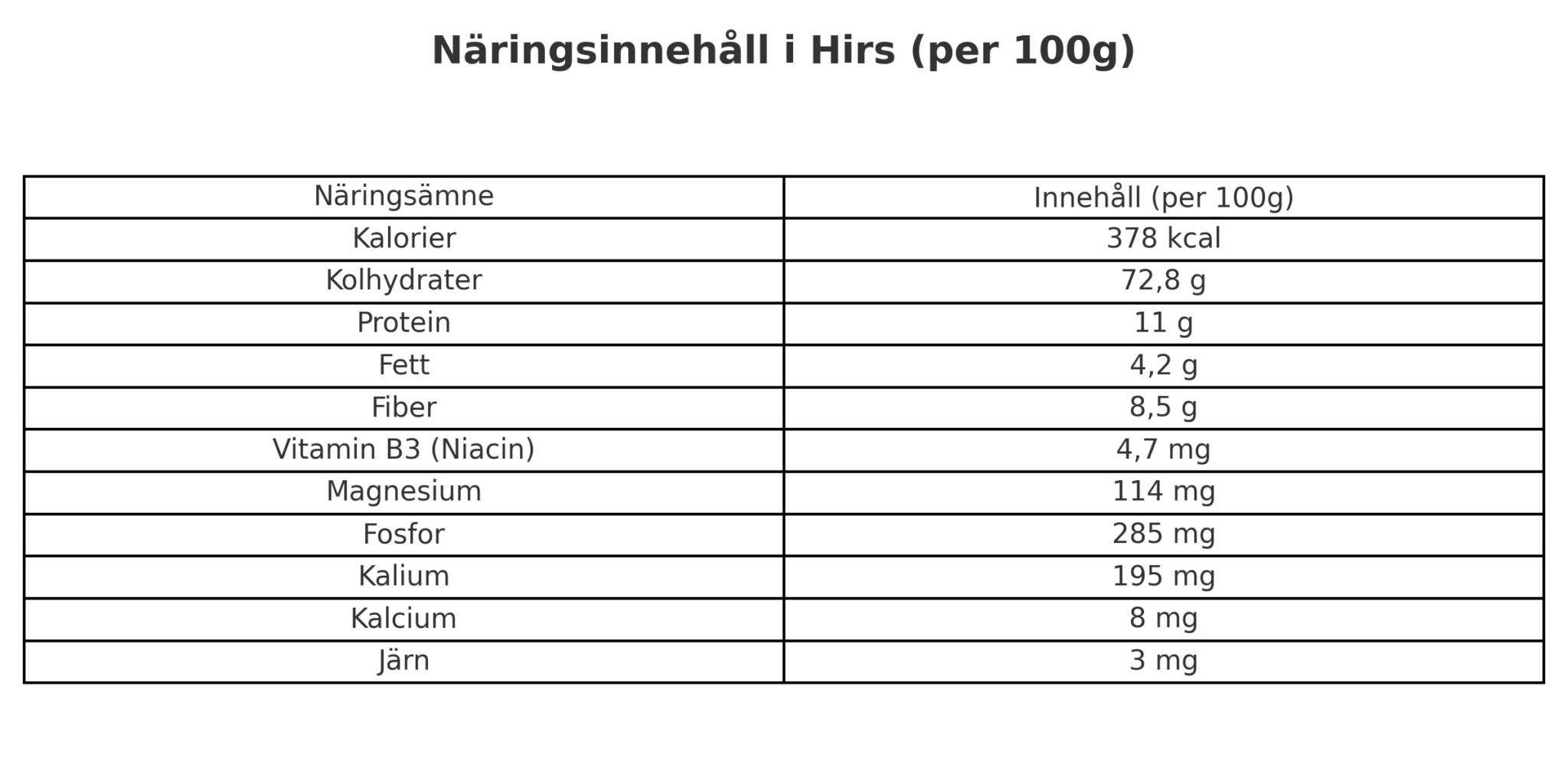
Millet is a nutritious and versatile crop, rich in complex carbohydrates that contribute to long-lasting energy and stable blood sugar levels. It is also a good source of protein and contains important minerals such as iron, magnesium, potassium, and phosphorus, which support heart and bone health. Additionally, millet contains B vitamins, especially niacin (B3), which supports energy production and contributes to healthy skin. Millet is easily digestible and an excellent option for those seeking a nutritious, gluten-free grain substitute.
Soil Health and Environmental Impact
Millet is a very resilient crop that requires little water, making it ideal for sustainable cultivation systems, especially in regions with water scarcity. Its deep roots help stabilize the soil and prevent erosion, while improving soil structure and nutrient availability. Millet's ability to grow in nutrient-poor soils without the need for fertilizer makes it a climate-friendly crop, and its presence in crop rotation helps enrich the soil for future crops. By including millet in cultivation systems, we can strengthen the soil's resilience and long-term health.
Nutritional Content