



Subscribe to your emergency food box - food for up to 40 days
With the Hasta Eco Emergency Box, you get a well-designed system that provides energy, strength, and stability for up to 40 days. These are not emergency rations – this is real food from nature, designed to work in real-life situations.


Hasta Eco revolutionizes the Swedish food industry
Green food – without toxins, full of nutrients, farming for all time. Our concept for a sustainable and nature-friendly future.

Natural - Best for you
Naturriktigt is our brand – a philosophy focused on cultivating, sourcing, and consuming in a way that supports and promotes sustainable development for our health and nature.


Our concept for a sustainable and natural future
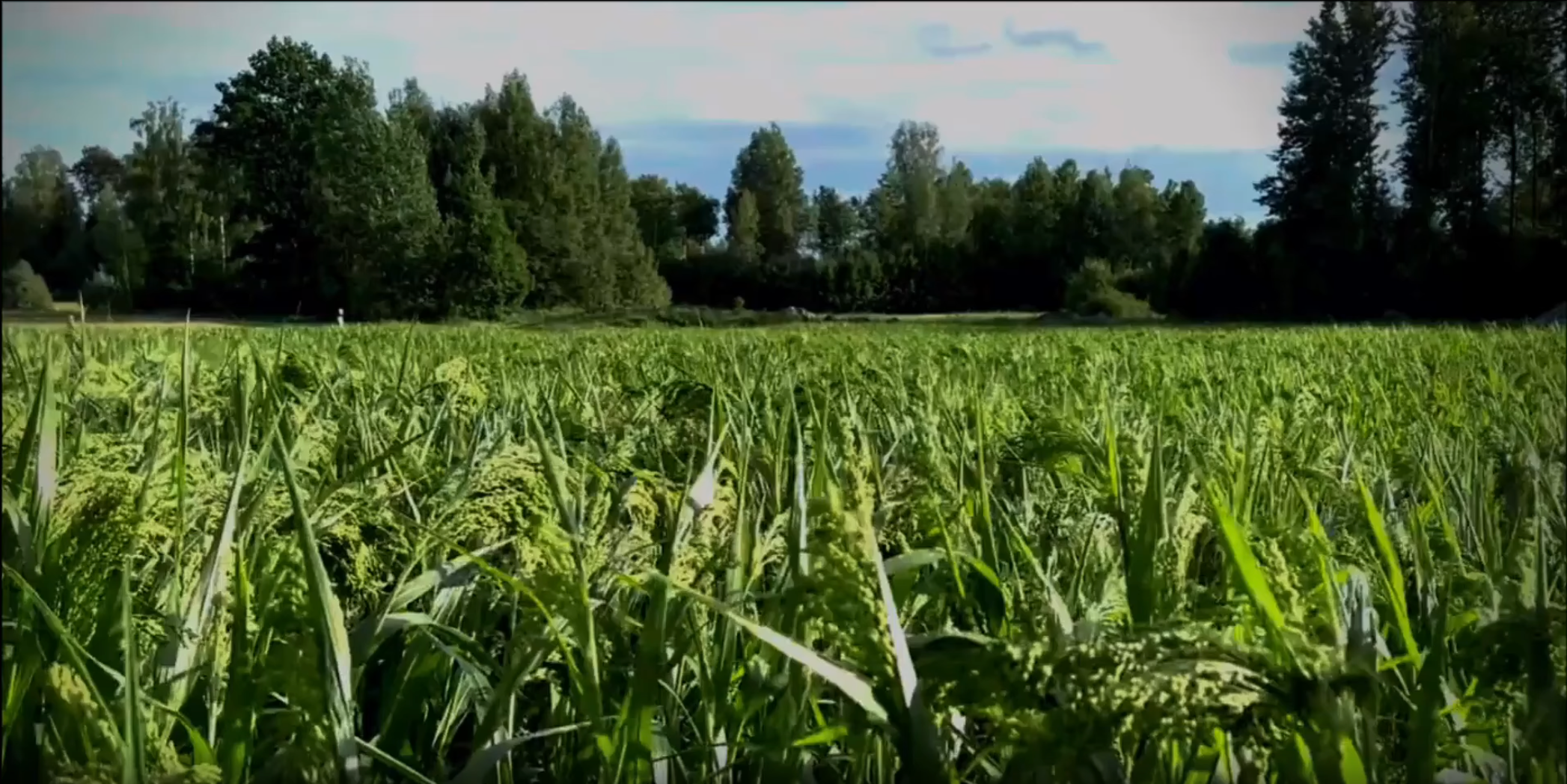
Regenerative farming without chemicals, with naturally gluten-free crops and a focus on soil health and carbon sequestration.


Our community
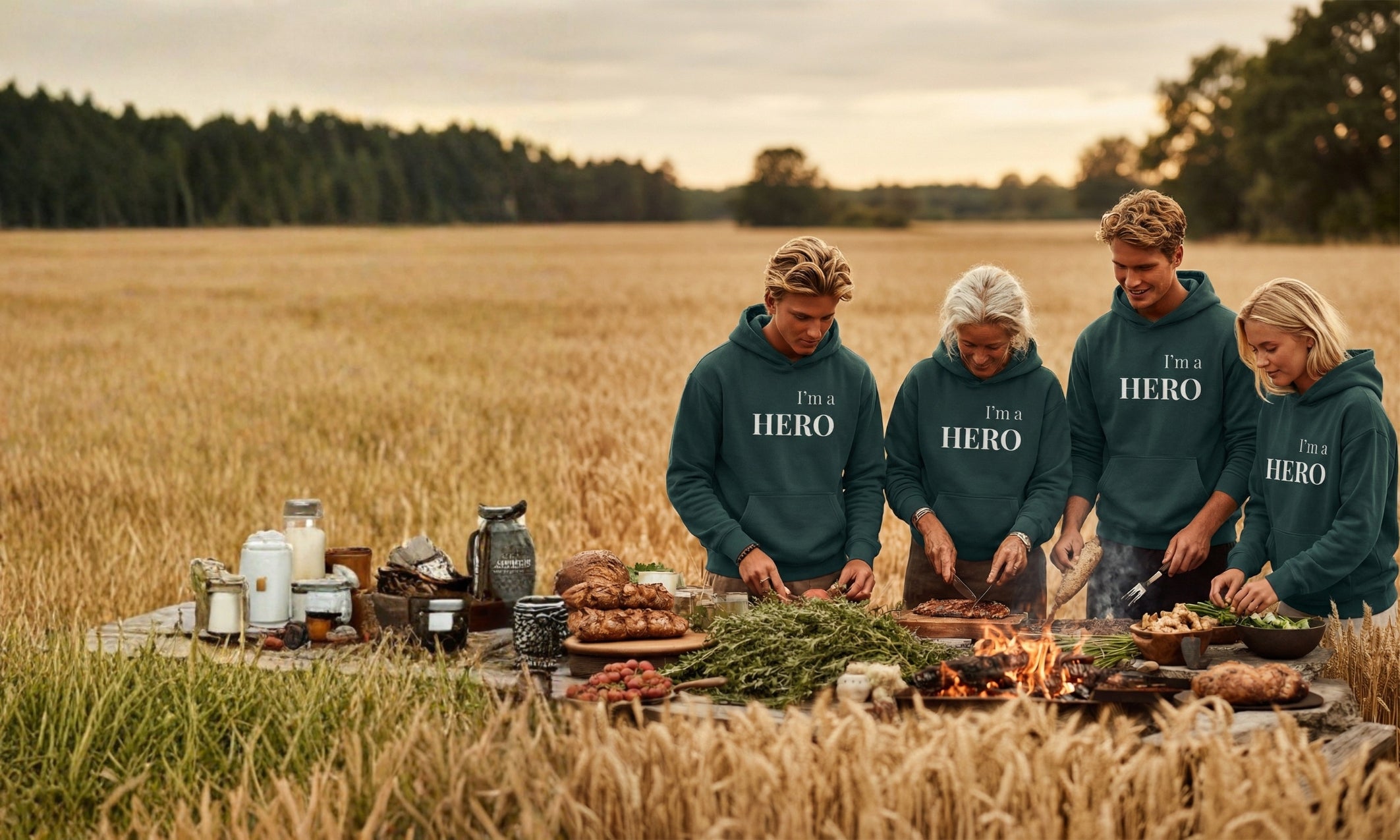
join & become a Hero!
We need each other to make a difference. As individual farmers, we won't succeed in this task; together with you and your support, we will spread our message about how important it is to create change.
Short Clips
News that matters

All wheat flour contains PFAS
TV4 News

The Swedish Society for Nature Conservation warns of harmful chemical cocktail
TV4 News

What does non-organic food contain?
TV4 News
@hastaeco
Join us on YouTube
Frequently Asked Questions about Hasta Eco
What is Hasta Eco?
Hasta Eco is a regenerative, organic farming system and a knowledge-driven food initiative. The business is built on more than ten years of practical field experience in organic and regenerative farming. The focus is on: - Soil health and biological activity - Carbon sequestration and climate balance - Companion planting and intercropping - Nutrient-dense foods - Reduced external inputs Hasta Eco views the soil as a living system – not as a substrate.
Is Hasta Eco organically certified?
Yes. The cultivation is carried out in accordance with the EU's organic regulations and is KRAV-certified where relevant. In addition to this, Hasta Eco applies its own regenerative framework that goes beyond the regulations by focusing on processes in the soil over time.
What is meant by regenerative organic farming?
Regenerative organic farming means not settling for "do no harm", but actively working to: - Build the soil microbiome - Increase humus content and carbon sequestration - Improve water-holding capacity - Create stable nutrient supply - Reduce the need for fertilizer year by year
Why is soil health central?
A healthy soil: - Binds carbon - Retains water - Prevents nutrient leakage - Supplies plants with micronutrients - Supports the plant's immune system Without soil health, there is no long-term food production.
Climate benefit
Regenerative ecological systems: - Sequesters 2–3 tonnes of CO₂/ha/year - Reduces nitrogen emissions - Improves water balance
What is companion planting?
Intercropping means that several plant species are grown together, for example: - Cereal + legume - Hemp + clover + alfalfa Legumes fix nitrogen, cereals provide carbon, and together they continuously feed the soil's microbiome.
Do plants communicate with each other?
Yes. Chemical communication between plants and microorganisms occurs via root exudates and mycorrhizal fungi. This controls: - Nutrient flows - Defense against diseases - Growth and maturation
What is the Earth's microbiome?
The microbiome consists of bacteria, fungi, protozoa, and nematodes. They: - Break down organic matter - Bind carbon in a stable form - Make nutrients plant-available - Protect against pathogens
People's health
Nutrition from living soil: - More micronutrients - Better amino acid profiles - Lower inflammatory load
Can you grow without fertilizer?
Yes – in systems with successful intercropping, cover crops, and an active microbiome. Fertilizer is then only used for adjustment, not as a driving force.
Why today's food system is inefficient
High input → low biological value. External costs for climate and health.
Why are consumers needed?
Demand drives systems. Without consumer power – no change.
Why is C/N balance crucial?
Nitrogen cannot be biologically processed without carbon. Fertilizing without carbon takes carbon from the soil humus → soil loss. Optimal C/N ratio (10–12): - Provides carbon sequestration - Stable nutrient availability - Lower emissions
BioConverse – why?
BioConverse: - Stabilizes organic material - Reduces ammonia emissions - Controls microbial activity - Improves nitrogen efficiency
Fertilizer – when and why?
Fertiliser is used: - To balance - Not to push The amount is adjusted according to the crop, preceding crop, and microbiome status.
Hemp and fertilizer
Hemp is sensitive to high microbial activity early on. Pre-crops are often sufficient. Any supplementation takes place during hoeing.
Common questions about natural farming
What does "naturriktigt" mean?
Nature-friendly means that food is produced in harmony with nature's own systems instead of counteracting them. It's about balance in the soil, between plants, microorganisms, animals, and humans – and about letting biological processes guide rather than chemical shortcuts.
Is "nature-friendly" the same as organic?
No, but organic is often a foundation. Nature-correct goes beyond regulations and focuses on how systems function over time: soil health, biodiversity, carbon sequestration, and nutrient quality – not just what is permitted or forbidden.
What is meant by living soil?
Living soil contains an active microbiome of bacteria, fungi, and other organisms. These make nutrients available to plants, bind carbon, retain water, and protect against diseases. Without living soil, there is no long-term sustainable food production.
What is companion planting and why is it important?
Intercropping means that several plant species are grown together. It mimics nature's own systems and provides: more stable nutrient flows, better nitrogen management, increased biodiversity, and less need for fertilizer. Intercropping is a cornerstone of nature-aligned agriculture.
Why does Hasta Eco grow without chemical pesticides?
Chemical pesticides, herbicides, and fungicides affect not only pests but also soil life and the plant's natural defenses. When the soil's biology is weakened, the nutritional value and resilience of food also decrease.
How does artificial fertilizer affect plant nutrition?
Artificial fertilizers can increase yields in the short term but risk: reducing microbial activity, impairing root development, creating nutrient imbalances in the plant. Nature-based systems instead focus on biological nutrient cycling.
How does Earth's microbiome affect the food we eat?
The microbiome controls which nutrients the plant can absorb. Rich biological activity often leads to crops with: higher mineral content, better amino acid profiles, and a more natural balance between carbohydrates, protein, and fat. This, in turn, affects human health.
What does climate-positive agriculture mean?
Climate-positive agriculture means that more carbon dioxide is sequestered in the soil than is emitted. This occurs through photosynthesis, root growth, and microbial activity – not through technical offsets.
Why is carbon sequestration important for food production?
Carbon is the basis for soil fertility. When carbon is sequestered in the soil: soil structure improves, water-holding capacity increases, and nutrient flows stabilize. This benefits both the climate and food quality.
Why is balance so important in nature?
All living systems seek balance. When this balance is disturbed – in the soil, in a plant's nutrient uptake, or in a person's diet – problems arise. Natural farming aims to restore and maintain this balance rather than compensating for imbalances with inputs.
Is intercropped food more nutritious than monoculture?
Research and practical experience show that intercropped systems often produce crops with a broader nutritional profile. This is due to better interaction between roots and the microbiome, as well as more consistent availability of micronutrients.
Circulated fertilizer provides nutritious food – how so?
When nutrients are retained in the soil or returned and biologically bound, plants can absorb them at their own pace. This reduces losses and makes nutrients more available to the crop.
- Higher nutritional content in food
- Stable supply of nitrogen, phosphorus, and micronutrients
- Reduced climate emissions and healthier soil
How is nature connected to human health?
Humans are biologically adapted to food from living systems. Naturally produced food: is less processed, contains more natural nutrients, and places less metabolic strain on the body. This can contribute to better long-term health.
What is Hasta HERO and how is it related to nature-like?
Hasta HERO is the community for nature-based thinking. Change is not only happening in agriculture but also through consumer choices, engagement, and knowledge. HERO makes it possible to build systems together.
Why isn't sustainability enough?
Sustainability often means reducing harm. Nature-aligned and regenerative agriculture, on the other hand, aims to improve systems over time – ecologically, biologically, and socially.
Is "naturriktigt" a traditional or modern way of farming?
Both. Naturriktigt is based on ancient biological principles but uses modern knowledge to understand and reinforce them. It's not a step backward – but a step deeper.
Is nature-based scalable?
Yes, but not through industrialization. Scalability lies in knowledge, systems understanding, and collaboration – not in increased chemical intensity.
How can I as a consumer contribute?
By: choosing naturally produced food, supporting producers who work regeneratively, spreading knowledge, participating in communities such as Hasta HERO. Demand dictates the food system of the future.
Common questions about Hasta HERO
What is Hasta HERO?
Hasta HERO is a community and engagement program for people who want to actively participate in transforming the food system. It is not a traditional loyalty program, but rather a collective commitment where consumers, farmers, and knowledge bearers collaborate for regenerative agriculture, improved health, and a stable climate.
Why did Hasta create the HERO concept?
Hasta has realized that real change cannot be driven by producers alone. Without the active participation of consumers, no structures will change. The HERO concept exists to empower people to contribute, spread knowledge, and create demand for regenerative food.
Who can be a HERO?
Everyone who shares the values of soil health, food quality, climate responsibility, and the well-being of future generations. You don't need to be an expert – a willingness to learn, share, and act is enough.
How do you become a HERO?
You register via Haste Eco's website. After registering, you become part of the HEROcommunity and gain access to discounts, knowledge, and the opportunity to influence.
How does the discount system work?
Registered HERO: 10% discount on self-grown products. Recruit a new HERO: 15% discount. Active in social media and knowledge dissemination: 20% discount. The discount is a way for Hasta to show appreciation – not the main purpose of HERO.
What does it mean to be an active HERO?
Being active means sharing knowledge, participating in conversations, spreading content on social media, and helping more people understand the connection between soil, food, and health.
Do you have to be an influencer?
No. The HERO concept is not based on followers, but on authenticity. Ordinary people who share real knowledge are more important than large accounts.
What is HERO Clothing?
HERO Clothing represents clothing that stands for a commitment to regenerative agriculture and the food systems of the future. It's a way to show what you stand for.
How does the discount work at HERO Clothing?
HERO: 50% discount. If you recruit a new HERO: 75% discount. The purpose is to support those who carry and spread the message.
What is expected of a HERO?
No compulsion. HERO is based on voluntariness, community, and responsibility. You contribute in the way you can – through conversation, sharing, purchases, or participation.
How does HERO contribute to the climate?
By creating demand for regenerative food, the HERO community contributes to increased carbon sequestration, reduced emissions, and healthier soils.
How does HERO contribute to health?
Regenerative food contains more micronutrients and fewer by-products linked to inflammation. HERO contributes to a food system that supports long-term health.
Is HERO a closed system?
No. HERO is open, growing, and inclusive. The more people participate, the greater the impact.
How does HERO differ from traditional loyalty programs?
HERO is not primarily about consumption but about relationships, knowledge, and systemic change. The discount is secondary – impact is the goal.
What happens if HERO grows?
As the HERO community grows, Hasta can invest more in soil health, research, education, and accessibility. This creates a positive spiral for the entire system.
How do I know that HERO makes a difference?
The difference is visible in the soil, in the crops, in the nutritional content, and in people's understanding. Change takes time – HERO is built for the long term.
How can HERO be developed moving forward?
Future steps may include local HERO groups, training courses, events, and collaborative projects. The community will shape the development together with Hasta.
Frequently asked questions about circular cultivation
What does Hasta Eco mean by circular food production?
That all nutrients, biomass and energy circulate within the system – from soil to plant to human and back to soil – without unnecessary losses.
How does this differ from conventional farming?
In many systems, residual biomass is seen as waste. At Hasta Eco, it is a key resource for the next harvest.
What happens to biomass that isn't food?
It is returned to the soil through biological processes that preserve carbon, nitrogen, and microbial life instead of releasing them into the atmosphere.
What is the role of fermentation in the system?
Fermentation stabilizes nutrients so that they are not lost, while strengthening microbial life for the next growing season.
What is seed coating?
Biological treatment of seeds with microorganisms that help the plant establish itself faster and absorb nutrients more efficiently.
Why is it important to avoid gas losses?
When biomass is improperly decomposed, both nutrients and energy are lost as CO₂, methane, and ammonia. This contributes to climate change and degrades the long-term fertility of the soil.
Is circular food production efficient?
Yes – because the system reduces the need for external inputs and builds soil fertility over time, it becomes both holistically efficient and long-term stable.
Is this scalable?
Yes. The principles are based on nature's own laws and work on both a small and large scale.